






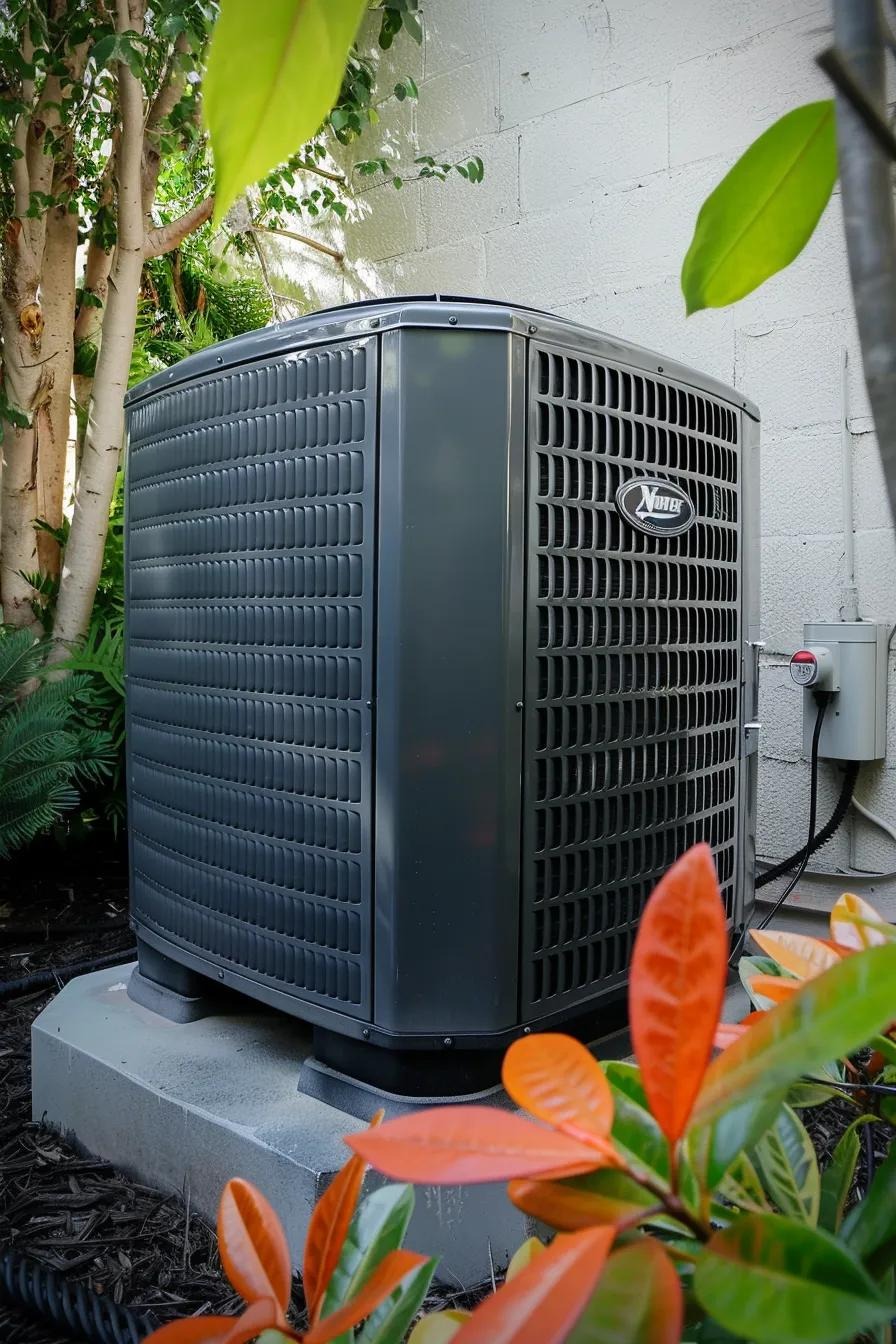
Knowing your HVAC efficiency ratings is one of the easiest ways to lower energy costs and stay comfortable year-round. This guide walks through the key ratings—SEER, HSPF, AFUE, and EER—what they mean, how they’re measured, and how they affect your bills and comfort. We’ll also cover recent standard updates and practical steps you can take to get the most from your system, from smart thermostats to routine maintenance. Learn how small choices add up to real savings and better home performance. Explore financing options if you’re considering an upgrade.
Technical studies and standards provide the calculation methods and definitions behind these common HVAC performance measures.
What HVAC Efficiency Ratings Tell You—and Why They Matter
Efficiency ratings show how well heating and cooling equipment turns energy into conditioned air. Those numbers affect your monthly utility bills, indoor comfort, and long-term operating costs. Understanding ratings helps you choose the right system for your home or business so you get the comfort you want without wasting energy.
What "energy efficiency" means for HVAC systems
In HVAC terms, energy efficiency refers to the ability of a system to deliver the desired level of heating or cooling while consuming less fuel or electricity. Higher SEER and HSPF numbers are typically indicative of reduced utility expenses and a smaller environmental footprint.
For instance, a system rated SEER 16 will use noticeably less electricity over a cooling season compared to a SEER 13 unit, translating to significant long-term savings. Checking our current promotions can be beneficial if you are considering an upgrade.
How efficiency ratings affect bills and comfort
A higher-rated system typically uses less energy and maintains more consistent temperatures throughout your home. This often translates to reduced monthly utility expenses and a more stable indoor climate, minimizing uncomfortable hot or cold spots.
For example, heat pumps with stronger HSPF scores are designed to maintain comfortable indoor temperatures even in colder weather. By drawing less energy, these systems help to significantly lower heating costs without compromising on the warmth and comfort you expect.
SEER and SEER2: How they’re measured and what’s changed
SEER (Seasonal Energy Efficiency Ratio) measures an air conditioner’s cooling output over a season divided by the electricity it uses. It gives a seasonal average so you can compare units. SEER2 is the newer testing standard introduced to reflect more real-world operating conditions and provide better, more consistent results for consumers.
Breaking down the SEER rating
The Seasonal Energy Efficiency Ratio (SEER) is calculated by dividing the total cooling output of an air conditioner over a typical season by the total electricity consumed during that same period. This ratio provides a standardized measure, allowing consumers to compare the relative efficiency of different cooling systems.
A higher SEER rating indicates a more efficient cooling system, which generally leads to reduced energy consumption and a smaller environmental footprint. Opting for a unit with a superior SEER rating is a strategic decision for achieving long-term operational savings, particularly beneficial in regions with extended warm seasons.
What changed with SEER2 in 2023?
The introduction of SEER2 in 2023 brought significant updates to the testing procedures for air conditioning units. These revised protocols are designed to simulate real-world operating conditions more accurately, providing a truer reflection of how systems perform in typical residential settings.
Consequently, manufacturers now test units under scenarios that closely mirror actual home environments, leading to SEER2 ratings that offer a more precise prediction of energy consumption. This results in clearer, more dependable efficiency ps, empowering consumers to make more informed comparisons between different cooling systems.
Recent papers highlight the roll-out of SEER2 and HSPF2 as part of these testing changes
Cooling vs. Heating: SEER compared to HSPF
SEER measures cooling efficiency; HSPF (Heating Seasonal Performance Factor) measures heating performance for heat pumps. Knowing both helps you pick equipment that fits your climate and usage patterns.
How HSPF measures heat pump efficiency
The Heating Seasonal Performance Factor (HSPF) quantifies the total heating output of a heat pump over an entire heating season, divided by the total energy consumed during that period. This metric is crucial for evaluating the efficiency of heat pumps, especially in climates where they serve as the primary heating source.
A higher HSPF rating signifies that the unit utilizes less energy to generate a consistent amount of heat. For instance, a system with an HSPF of 9.0 demonstrates greater efficiency compared to one rated at 7.5, potentially leading to noticeable reductions in winter energy expenses for households relying on heat pumps for their heating requirements.
Why HSPF2 matters across climates
Similar to SEER2, HSPF2 incorporates updated test procedures designed to provide a more comprehensive understanding of heat pump performance. These revised standards account for a wider range of outdoor temperatures, offering a more accurate representation of how a heat pump will operate throughout various climatic conditions.
This enhanced clarity is invaluable when selecting a heat pump, as it enables consumers to choose a model that maintains optimal efficiency within their specific local climate. The result is consistent indoor comfort and predictable energy consumption, helping to avoid unexpected operational expenses.
AFUE and EER: what they tell you about furnaces and peak cooling
AFUE (Annual Fuel Utilization Efficiency) rates how much fuel a furnace converts into usable heat. EER (Energy Efficiency Ratio) measures cooling efficiency at peak, steady-state conditions—useful for understanding performance on the hottest days.
What AFUE means for furnace efficiency
Annual Fuel Utilization Efficiency (AFUE) represents the percentage of fuel a furnace converts into usable heat over a typical year. This rating is a direct indicator of how effectively a heating system utilizes its fuel source, with the remainder being lost through the exhaust.
For example, a furnace boasting a 95% AFUE rating means that 95% of the fuel consumed is transformed into warmth for your home, with only 5% escaping as waste. Consequently, a higher AFUE rating directly correlates with reduced fuel expenses and superior overall heating efficiency.
How EER differs from SEER
The Energy Efficiency Ratio (EER) measures a cooling system's efficiency under specific, steady-state conditions, typically at a high outdoor temperature and full load. This metric provides insight into a unit's performance during its most demanding operational periods, such as the hottest days of summer.
In contrast, the Seasonal Energy Efficiency Ratio (SEER) offers an average performance measurement across an entire cooling season, accounting for varying temperatures and loads. While SEER provides a broader seasonal perspective, EER is particularly useful for predicting a unit's efficiency during peak demand, when cooling requirements are at their maximum.
New standards and certifications: what to watch for
Keeping up with efficiency standards and certifications helps you buy wisely. New rules push manufacturers toward higher performance, and certifications like ENERGY STAR identify products designed to save energy and reduce emissions.
2023 DOE standards and regional differences
The Department of Energy (DOE) implemented new efficiency regulations in 2023, which significantly elevated the minimum performance levels for a wide range of HVAC systems. These updated standards were developed with an understanding of diverse climatic conditions across the country.
As a result, the specific requirements and recommended efficiency ratings can vary considerably depending on your geographic climate zone. It is therefore crucial to consult local guidance and regulations when making decisions about selecting a new HVAC system to ensure compliance and optimal performance.
ENERGY STAR and HVAC efficiency
HVAC equipment bearing the ENERGY STAR certification signifies that it meets stringent efficiency criteria established by the Environmental Protection Agency (EPA). These products are rigorously tested to ensure they operate with superior energy performance compared to conventional models.
Opting for ENERGY STAR-certified units is a dependable strategy for reducing overall energy consumption and minimizing greenhouse gas emissions. This choice frequently leads to substantial long-term operational savings throughout the lifespan of the equipment, contributing to both environmental stewardship and household budgets.
The rate at which households adopt higher-SEER products and ENERGY STAR gear is an active topic in adoption studies.
Maximizing HVAC savings with better equipment and regular care
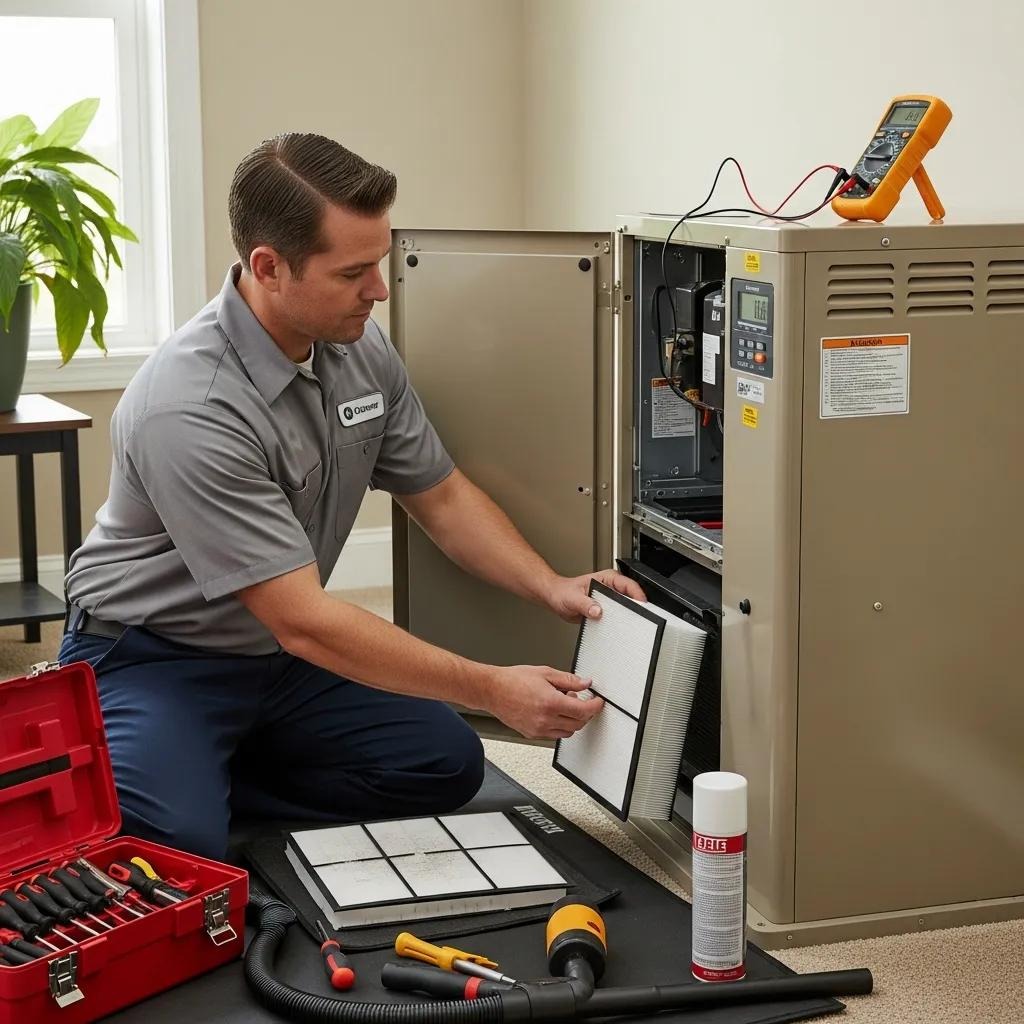
To get the most from your HVAC system, choose high-efficiency equipment and follow a simple maintenance routine. Combining the right system with regular tune-ups delivers the best results in performance and cost savings. Consider our maintenance plans for year-round reliability.
Why high SEER and HSPF systems pay off
Air conditioners with high SEER ratings and heat pumps with high HSPF ratings are engineered to consume less energy while effectively maintaining desired indoor comfort levels. This advanced efficiency translates directly into reduced electricity consumption for cooling and heating.
The benefits extend beyond just energy use, leading to more stable indoor temperatures with fewer fluctuations and a reduced environmental footprint. Over the operational life of the system, the initial investment in higher efficiency often yields significant returns through ongoing energy cost reductions and enhanced comfort.
Maintenance, smart controls, and ductwork: small changes, big impact
Consistent and routine maintenance is fundamental to ensuring that HVAC systems operate at their peak efficiency, preventing gradual degradation of performance. Complementing this, the integration of smart thermostats offers enhanced control over your home's climate, intelligently minimizing unnecessary system operation and energy waste.
Furthermore, addressing and sealing leaks in ductwork is a critical step to prevent the loss of conditioned air before it reaches your living spaces. Collectively, these seemingly small adjustments—from regular tune-ups to smart controls and duct sealing—can lead to substantial reductions in overall energy consumption, potentially by a significant percentage, as highlighted by energy experts.
• High SEER AC — Efficiency Rating: 16+ — Potential Annual Cost Reductions: Substantial reductions
• High HSPF Heat Pump — Efficiency Rating: 9+ — Potential Annual Cost Reductions: Significant reductions
• ENERGY STAR Furnace — Efficiency Rating: 95% AFUE — Potential Annual Cost Reductions: Notable reductions
The table shows typical annual cost reductions you might see from higher-efficiency equipment—useful when weighing upgrade costs against long-term benefits.
• SEER — Definition: Seasonal Energy Efficiency Ratio — Importance: Measures cooling efficiency
• HSPF — Definition: Heating Seasonal Performance Factor — Importance: Measures heating efficiency
• AFUE — Definition: Annual Fuel Utilization Efficiency — Importance: Measures furnace efficiency
• EER — Definition: Energy Efficiency Ratio — Importance: Measures peak cooling efficiency
Knowing these rating types helps you compare models and pick equipment that fits your home, budget, and climate.
Understanding HVAC efficiency ratings makes it easier to choose the right equipment and get the most from every resource you spend on heating and cooling. Learn the ratings, follow a basic maintenance plan, and consider higher-efficiency models when it makes financial sense—those steps add up to better comfort and lower bills.
Conclusion
Efficiency ratings like SEER, HSPF, AFUE, and EER give you a clear way to compare HVAC options and predict operating costs. Use those numbers, combine them with regular maintenance, and consider ENERGY STAR-certified or higher-rated equipment to reduce energy use and increase comfort. When you're ready, discover our energy-efficient HVAC solutions and let our team help you find the right fit for your home or business.
Schedule Expert Service
Customer Testimonials
Our customers consistently praise our exceptional service and professionalism. We are committed to exceeding expectations and delivering outstanding results.

Having used Air Rite for new heating and air conditioning at our home we knew who to go to for our business. This was a big job in an old building and we needed a business that would be efficient, professional and timely. Air Rite is dependable and went out of their way to give us GREAT service. From fixing and repairing existing air conditioning to installing a new one, they are the ones to call. The pricing is very comparable to other companies, and they are professional through and through from Arni to the administrator in the office to the installers. It is a rarity and a relief to find great service. Lastly, the efficientcy in scheduling us so fast and completing the job before expected was a cherry on top. We will always recommend Air Rite.

Events T.
THOMAS HILLS ORGANICS RESTRAUNT
My Construction Company (Palomar Homes) has used Air Rite Heating and Air for the past 12 years on dozens of new home projects. Arne and his crew are always attentive, courteous to me and my clients and do a fantastic job. Air Rite installations are clean and complete. In my 38 years of building, Air Rite has clearly been our best Heating and Air contractor.

Randall J.
PALOMAR HOMES
Here at North County Animal Hospital, we are so grateful for Arnie and his crew! They keep us cool in the summer and cozy in the winter! Anytime we have a need they are quick to address it! We use Air Rite for filter maintenance and any repair issues. They always go above and beyond in service and quality, plus Arnie is an overall nice guy! I would recommend Air Rite without hesitation!

Heathyr G.
NORTH COUNTY ANIMAL HOSPITAL
Air Rite has provided us with new HVAC systems and sheet metal on 9 new homes and one complete rebuild/remodel in Atascadero and Paso Robles since 2016 with the final one being finished as I write this review. They have been fair and professional and have stood by all work. If I have a question they respond at once. I have also recommended them to clients and friends who have later reported how pleased they were with their new system.

Frank H.
HENDERSON & ASSOCIATES
Air Rite has provided us with new HVAC systems and sheet metal on 9 new homes and one complete rebuild/remodel in Atascadero and Paso Robles since 2016 with the final one being finished as I write this review. They have been fair and professional and have stood by all work. If I have a question they respond at once. I have also recommended them to clients and friends who have later reported how pleased they were with their new system.

Mark M.
JUM CONSTRUCTION